
Building a $1,200 gaming PC in 2026: the build that holds 4K
A part-by-part budget breakdown for a PC that can handle 4K/60 with DLSS/FSR, without cutting corners on storage or cooling.
This article contains affiliate links. Installing a game through one of them may earn PicGamers a commission. It stays free for you and never influences our recommendations.
At $1,200, the most common mistake is dumping the whole budget into the GPU and cutting the power supply or storage. Here’s a split that actually holds up over time.
The budget breakdown
- GPU — $450: a recent mid-range card with at least 12GB of VRAM. Below 12GB, 4K with high textures starts saturating memory as of 2026.
- CPU — $230: six to eight cores is plenty for gaming — no need to starve the GPU to chase a higher-tier processor.
- RAM — $95: 32GB DDR5, dual-channel kit. 16GB still gets by, but several recent titles already swap past it.
- Storage — $115: a 2TB Gen4 NVMe SSD. AAA titles routinely blow past 100-150GB installed; a single 500GB drive fills up after three installs.
- PSU — $95: 650W, 80+ Gold certified. It’s the component people cut first to save money, and the one that takes the whole build down if undersized.
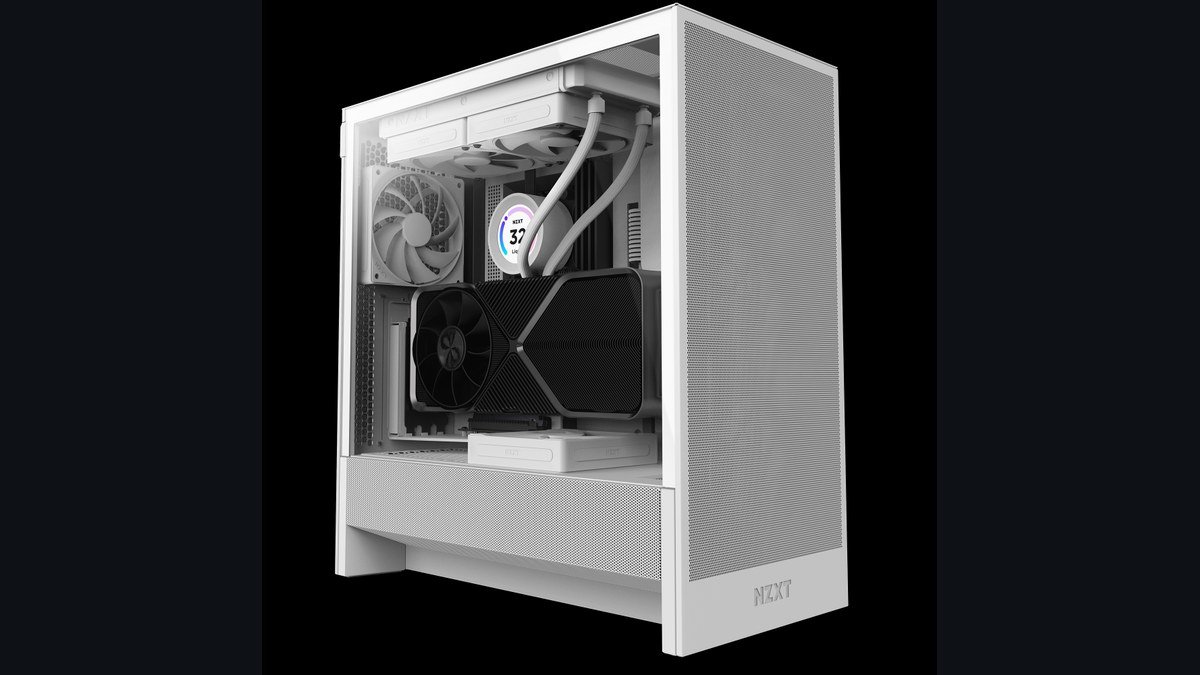
- Case + cooling — $135: three decent fans beat a premium case with poor airflow.
- Motherboard — $145: a recent B-series board, without overclocking features you won’t use at this budget.
The trade-off that pays off most
DLSS and FSR change the math: a card that handles solid native 1440p comfortably holds 4K via upscaling, for a lot less than a card built for native 4K. At equal budget, prioritize VRAM and cooling over the raw number printed on the box.
Verdict
$1,200 buys a comfortable 4K/60 build with upscaling — as long as you don’t shave VRAM or PSU quality to squeeze a bigger-looking GPU into the budget.
 Rise of KingdomsPlay now
 Ragnarok Online: World JourneyPlay now