NVIDIA ACE: how far have AI-generated NPCs really come in 2026?
After three years of tech demos, NVIDIA ACE is finally shipping in a handful of commercial games. What the tech gets right, and what still feels artificial.
This article contains affiliate links. Installing a game through one of them may earn PicGamers a commission. It stays free for you and never influences our recommendations.
NVIDIA ACE (Avatar Cloud Engine) has promised, since 2023, NPCs able to hold a real conversation generated on the fly instead of pulled from a dialogue tree. Three years later, the tech has left GTC demo booths and quietly landed in a few actual games.
What actually works today
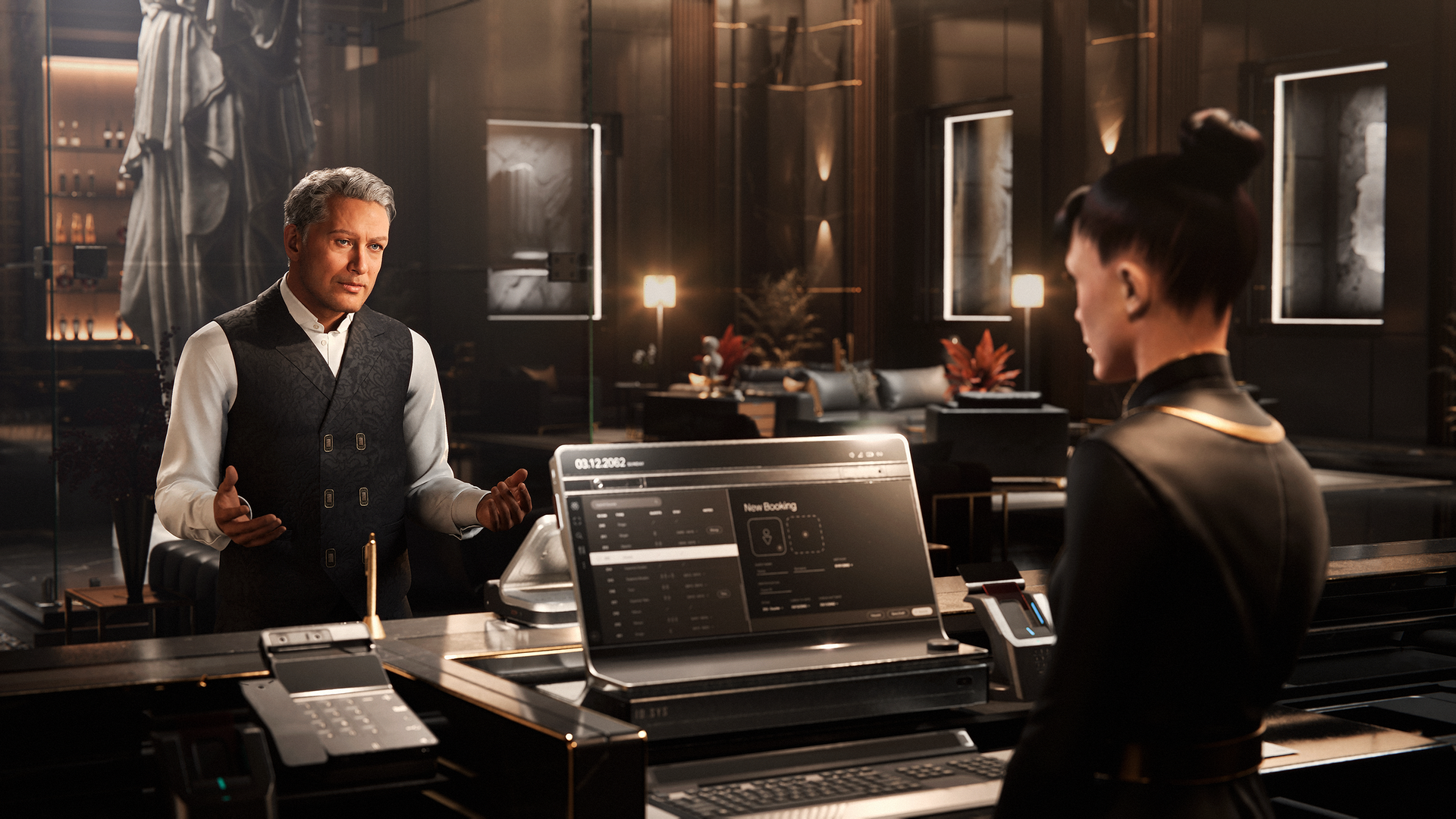
ACE combines three pieces: speech recognition, a small language model to generate the reply, and synced facial animation. In Mecha BREAK, training NPCs answer open-ended questions about gear with no pre-written script — latency is still noticeable (300 to 600 ms), but short exchanges don’t break immersion.
What still feels artificial
The real problem isn’t technical, it’s narrative: an NPC that can say anything no longer has a coherent story arc. Studios using ACE keep it to secondary roles (merchants, ambient NPCs), never to carefully written central characters. Local voice generation also stays heavy — ACE mostly runs on NVIDIA’s cloud, which raises questions about online latency and server cost for studios.
Our take
The tech is real and moving fast, but 2026 is still a cautious adoption phase, not a gaming revolution. Worth watching, not worth waiting for.
 Rise of KingdomsPlay nowRise of KingdomsPlay now