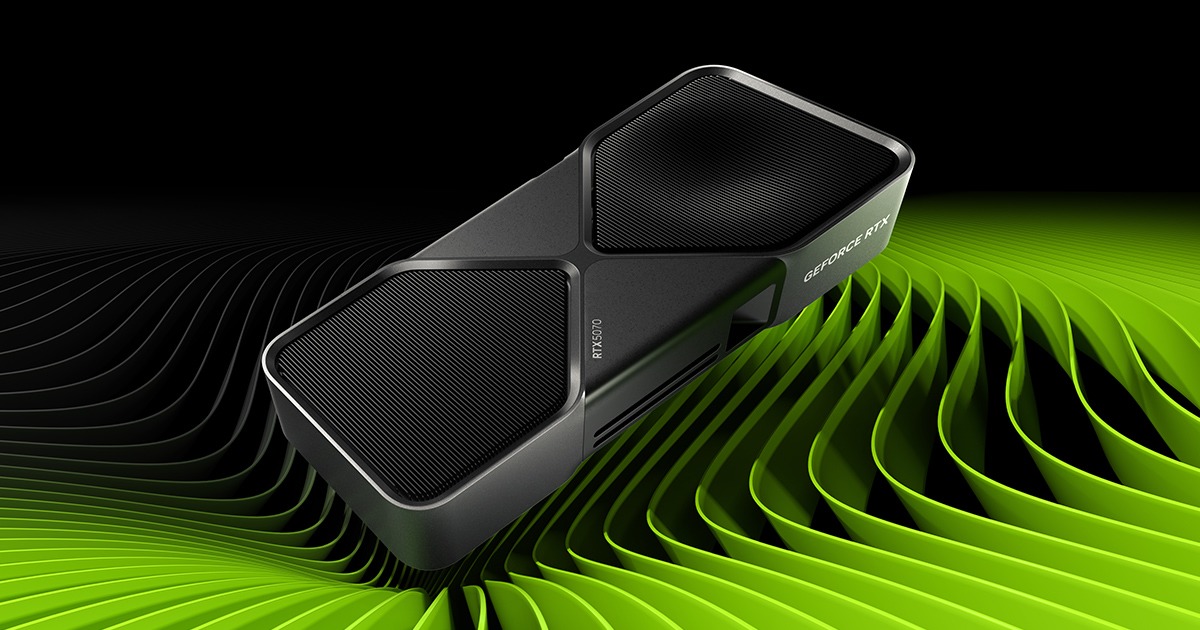
RTX 5070 vs RTX 5070 Ti: which one for 1440p?
The price gap between the two cards is bigger than the real-world performance gap at 1440p. Here's where the Ti actually earns its keep.
This article contains affiliate links. Installing a game through one of them may earn PicGamers a commission. It stays free for you and never influences our recommendations.
On paper, the Ti promises more CUDA cores and more VRAM. In real-world 1440p use, the gap is more nuanced than it looks.
What actually separates the two cards
VRAM is the most concrete difference: the 5070 ships with less memory than the Ti. At 1440p with ultra textures and ray tracing on, several recent titles start saturating the non-Ti card’s VRAM, causing micro-stutters that raw GPU power can’t compensate for.
In pure rasterization (no ray tracing), the framerate gap between the two cards stays modest at 1440p — the difference widens mainly at 4K, a resolution where neither card is really the right pick anyway.
The math that actually matters
If your use case is strictly 1440p without heavy ray tracing, the standard 5070 is plenty and the Ti’s premium doesn’t pay off. If you plan to keep the card for 4-5 years and play future AAA titles with heavier ray tracing, the Ti’s extra VRAM becomes a real longevity argument, not just a marketing number.
Verdict
For 1440p today: the standard 5070. For 1440p that needs to hold up across several generations of ray-traced games: the Ti, mainly for the VRAM.
 Rise of KingdomsPlay now
 NTE: Neverness to EvernessPlay now