Wired vs wireless gaming headsets: the real latency gap in 2026
Has modern wireless actually caught up to wired in responsiveness? The numbers, without the marketing.
This article contains affiliate links. Installing a game through one of them may earn PicGamers a commission. It stays free for you and never influences our recommendations.
Wireless has long carried a reputation for audible latency. In 2026, the gap has narrowed — but hasn’t fully disappeared.
The numbers that matter
- Wired (jack or USB): near-zero latency, below the threshold of human perception.
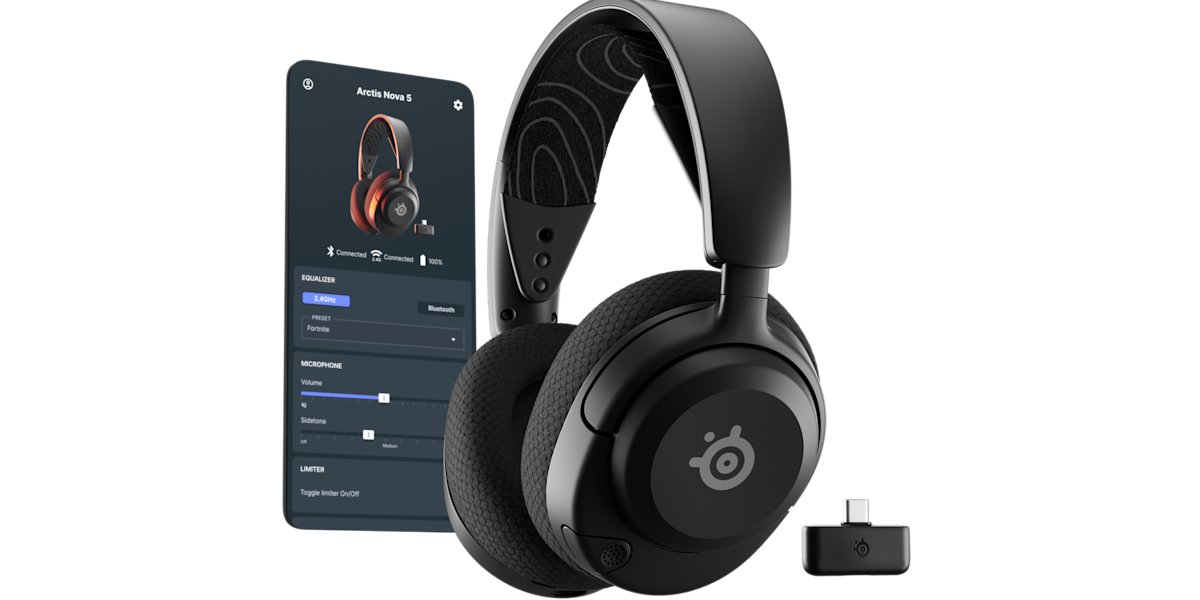
- Wireless via dedicated 2.4GHz dongle: 15 to 40ms depending on the model — noticeable in demanding competitive games (FPS), invisible elsewhere.
- Standard Bluetooth: 100 to 220ms depending on the codec. LC3/aptX Adaptive Low Latency codecs drop below 40ms, but not every headset supports them.
The real trap: generic Bluetooth
Most “wireless gaming” headsets use a proprietary 2.4GHz dongle for gaming, and fall back to standard Bluetooth for a secondary phone/PC pairing. Check carefully which mode you’re actually using in-game — plenty of users unknowingly game over Bluetooth, with far higher latency than the included dongle would give them.
When it actually matters
In a competitive FPS where directional audio (footsteps, reloads) drives split-second decisions, even 30ms of audio latency can slightly desync the mental map you’ve built from the visuals. In a single-player narrative game, the gap is imperceptible.
Verdict
Modern wireless via a dedicated dongle is more than enough for 95% of use cases. Save wired for esports setups where every millisecond counts, or as a battery-anxiety safety net during long sessions.
 Ragnarok Online: World JourneyPlay nowRagnarok Online: World JourneyPlay now